

From Dreams to Reality: My Journey as A320 First Officer on My First Flight from Munich to Greece (Story of Day1)
Updated: May 16
Taking my seat on the flight deck of an A320 with passengers on board was a moment I had imagined countless times. Today, that dream became reality. Flying from Munich to Heraklion in Greece and back on May 1, 2026, marked my first official flight duty as an A320 first officer. The excitement, nerves, and pride all mixed into an unforgettable experience. I want to share this journey with you—especially if you are an A320 cadet pilot or a student pilot aiming for the same goal.
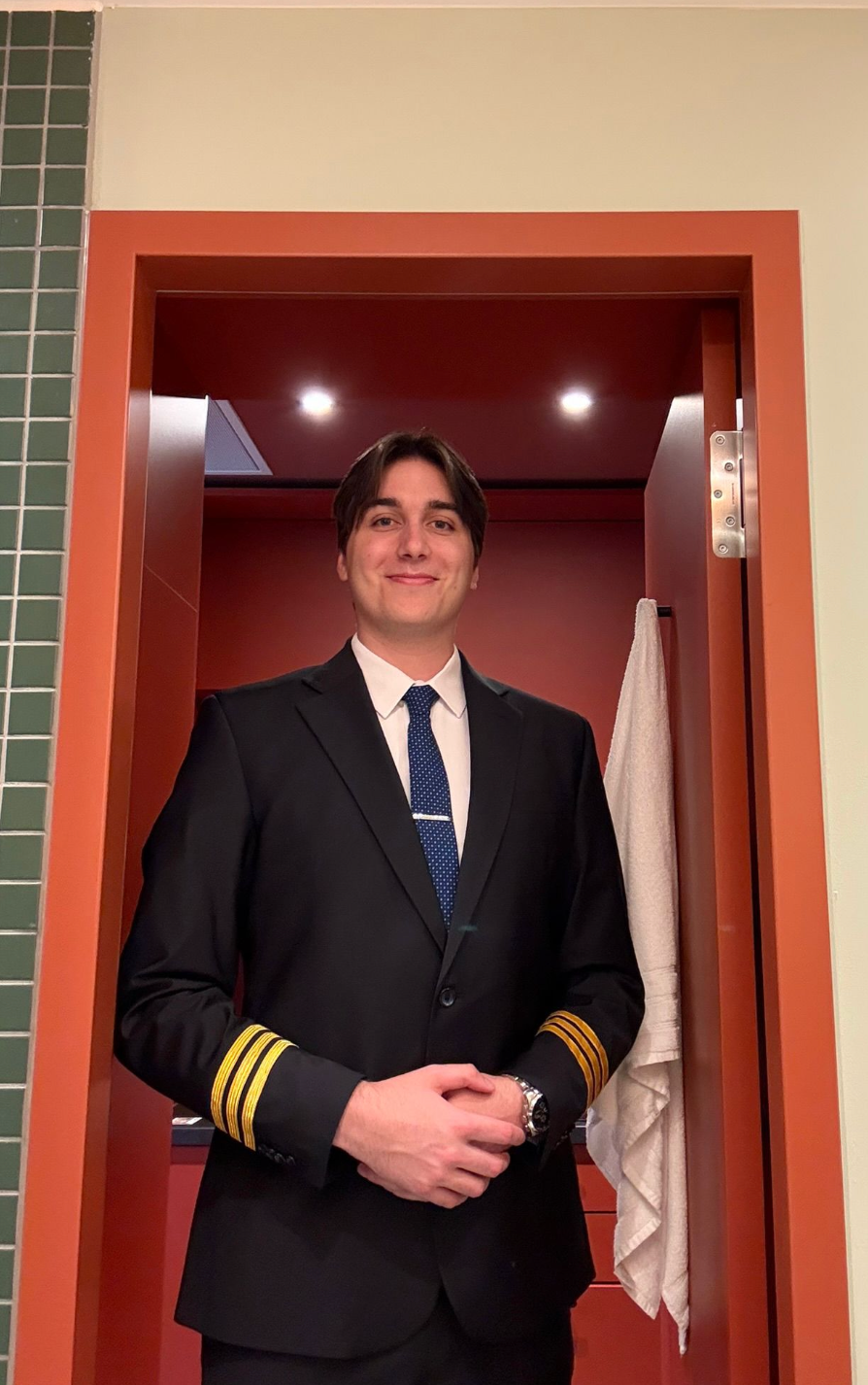




Preparing for the Dream: Training and Certification
Before I could sit in the first officer’s seat, I had to complete several demanding steps. The foundation was the A320 type rating at Jetline training. This course was intense and comprehensive, covering everything from aircraft systems to emergency procedures. Jetline training’s simulator sessions were especially valuable, allowing me to practice handling the aircraft in various scenarios before ever stepping into a real cockpit.
After the type rating, I moved on to the Operator Competency Check (OCC) at the airline. This phase tested my skills and readiness to operate the A320 safely with passengers. The OCC included:
Firefighting and smoke training
Emergency Equipment and EVACUATION | Slide deployment training
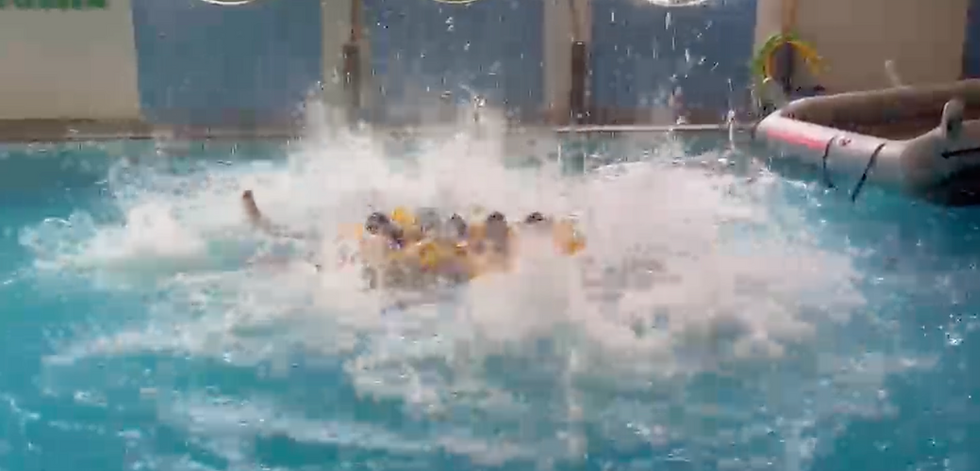
Survival and swimming training in the pool and on a rescue survival raft
Uniform tailoring to ensure professional appearance
Ground classes covering airline procedures and regulations
Simulator training with OPC and LPC check rides evaluated by airline examiners
Each part of this process built my confidence and competence. The survival training was particularly eye-opening. Practicing swimming in full gear and using the survival raft made me realize the importance of being prepared for any emergency.


The Day of the First Flight: Munich to Heraklion
The morning of May 1 started early. Arriving at the airport, I felt a mix of excitement and calm focus. The pre-flight briefing with the captain and cabin crew was thorough. We reviewed the flight plan, weather conditions, and any operational notes. Sitting in the cockpit, I took a moment to absorb the reality of the situation. This was no longer a simulation or a classroom exercise — it was real.
The takeoff from Munich was smooth. Watching the Runway and city fade beneath us as we climbed was breathtaking. Flying over the Alps and then the Mediterranean Sea, I felt a deep connection to the aircraft and the journey. The A320 responded precisely to every input, and even my first landing was smooth - a testament to the training I had received.
During the cruise phase, I monitored systems, communicated with air traffic control (which is challenging at the beginning), and assisted the captain with navigation and checklists. The teamwork on the flight deck was seamless. I realized how important clear communication and trust are between pilots.

Returning to Munich: Reflection and Growth
The return flight was equally memorable. Landing at Munich Airport, I felt a surge of accomplishment. Completing this round trip with passengers on board was the culmination of years of hard work and dedication.
Reflecting on the experience, I see how every step of my training prepared me for this moment. The A320 type rating at Jetline training gave me the technical knowledge and simulator practice. The OCC ensured I was ready for real-world challenges. And the actual flight taught me lessons that no classroom can provide.
Advice for Aspiring A320 First Officers
If you are working toward becoming an A320 first officer, here are some tips based on my journey:
Commit fully to your training. The A320 type rating at Jetline Training is demanding but essential to get invited to interviews with a chiefpilot fast. Take every simulator session seriously and prepare well during all Phases of training. From Online Self-study theory parts to Simulator briefings and Sessions.
Embrace all parts of the OCC. Firefighting, survival, and ground classes may seem unrelated to flying, but they build skills and confidence.
Stay calm and focused on your first flight. Nerves are normal, but trust your training and your fellow well experienced crew assigned to duty with you.
Communicate clearly with your captain and team. Raise Questions! Its normal at the start of your line training to not know everything. Search in the airline manuals first if time and situation permits. Good teamwork makes every flight safer and more enjoyable.
Reflect on each flight with the feedback from your Line-training captain. Every experience, good or challenging, is a chance to learn and improve.
Book the airline assessment sim preparation in conjunction with the IFR ATC refresher course before you start you OCC. Otherwise you may get caught on the wrong foot when unexpected ATC calls unusual for basic IFR training come in. There are many daily use IFR ATC calls at major airports which you need to practice again before joining any airline. (i.e. maintain 160 to 4, report if able to cross 10NM before xyz waypoint at FL250?, etc.), and this all quickly mixed in the ATC chatter of all other traffic. Maintaining situational awareness on your ND of other traffic is key to help maintaining separation.


Comments